When small businesses move into online selling, it is easy to assume customers expect the same experience they get from large national or global retailers. In practice, local customers think differently.
People shopping from a local online store are not always chasing the lowest price or the fastest shipping in the country. What they want most is reassurance. They want to feel confident that the business is real, nearby, and worth trusting with their money.
For South East Queensland businesses, this expectation is shaped by familiarity. Customers often know the suburb, the street, or the area where the business operates. That local context changes how they judge an online store.
This article explains what local customers actually expect when they shop online with a local business, based on common behaviour rather than assumptions.
Clear Confirmation That the Business Is Local
One of the first things local customers look for is confirmation that the business is genuinely nearby.
They want to know:
- Where the business is based
- Whether it operates locally
- If it understands local conditions
This does not require heavy explanation. Simple signals do the job. A suburb name, a service area mentioned naturally, or photos that clearly reflect a local setting all help.
If an online store feels anonymous or location free, customers may assume it is just another distant seller, even if it is not.
Straightforward Information Without Guesswork
Local customers value clarity over cleverness.
They expect product descriptions to explain exactly what they are buying. Sizes, materials, quantities, and basic usage should be obvious.
They do not want to interpret vague wording or scroll endlessly to piece things together. When details are unclear, hesitation follows.
This is especially true for businesses that also operate physically. Customers expect the same transparency online that they would receive in store.
Honest Pricing and No Surprises
Unexpected costs are one of the fastest ways to lose a local customer.
People expect prices to be clear upfront. That includes delivery costs, pickup options, and any additional charges.
Local shoppers are often comparing your store to the option of visiting in person. If online pricing feels confusing or inflated without explanation, they may decide it is not worth the trouble.
Honesty builds trust even when prices are higher than average.
Simple Navigation That Feels Familiar
Local customers are not browsing for entertainment. They are usually shopping with a purpose.
They expect to:
- Find products quickly
- Understand categories easily
- Get to checkout without obstacles
If navigation feels confusing, they rarely persevere. They close the page and move on.
A calm, familiar layout works better than complex menus or experimental designs.
Mobile Experience That Works Properly
Most local online shopping happens on phones.
Customers browse while sitting on the couch, waiting at school pickup, or during a break at work. They expect everything to work smoothly on a small screen.
This includes:
- Text that is easy to read
- Buttons that are easy to tap
- Checkout processes that do not feel cramped
If an online store feels awkward on mobile, customers quickly lose patience.
Local Delivery or Pickup Options
One advantage local businesses have over larger retailers is proximity.
Customers often expect options such as:
- Local delivery
- Click and collect
- Faster turnaround times
Even if these options are not always available, customers like knowing what is possible.
Clear explanations help manage expectations and reduce uncertainty.
A Sense of Who They Are Buying From
Local customers care about who is behind the business.
They often look for small signs of personality or human presence. This does not mean oversharing. It means showing that real people are involved.
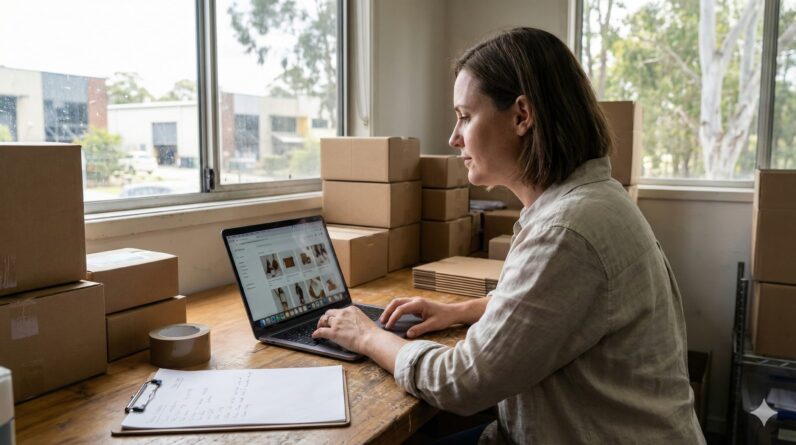
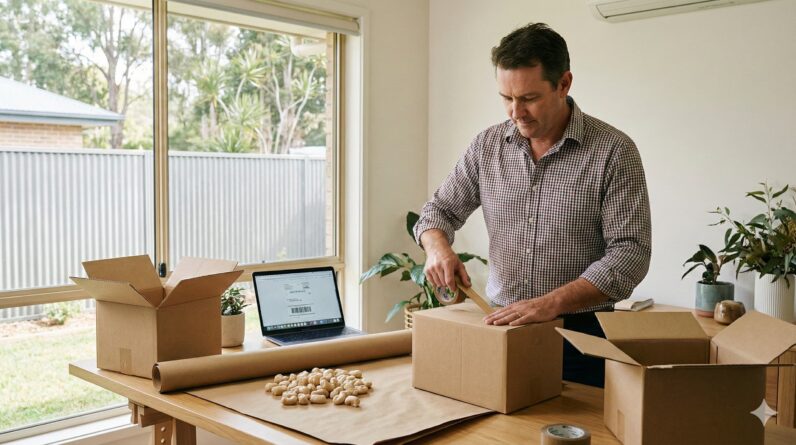
Photos of the workspace, brief background information, or simple explanations of how orders are handled help build connection.
This sense of familiarity often compensates for the lack of face to face interaction.
Reassurance Around Returns and Problems
Customers understand that issues can happen. What they want is reassurance that they will be treated fairly.
Clear policies around returns, exchanges, or damaged items reduce hesitation. Local customers often feel more comfortable buying when they believe problems will be resolved locally rather than through distant systems.
Silence on these topics creates doubt, even if issues are rare.
Checkout That Feels Quick and Safe
The checkout process is where expectations become very practical.
Customers expect:
- Familiar payment methods
- Clear confirmation steps
- No unnecessary questions
If checkout feels long or intrusive, people abandon it without explanation.
Local customers are especially sensitive to friction at this stage because alternatives are often nearby.
Communication That Matches Local Norms
Local customers expect communication that feels natural rather than scripted.
They appreciate clear order confirmations, delivery updates, and simple language. Overly formal or generic messages can feel disconnected.
Tone matters. People are more forgiving of small delays when communication feels genuine and timely.
Consistency With the Offline Experience
For businesses that also operate physically, customers expect the online experience to match what they already know.
If the in store experience is friendly and straightforward, the online store should feel the same.
Large gaps between offline and online experiences create uncertainty. Customers may wonder which version reflects reality.
Speed That Feels Reasonable
Local customers are realistic.
They do not always expect same day delivery, but they do expect clarity. If delivery takes three days, saying so upfront avoids frustration.
Unclear timelines cause more dissatisfaction than slower but honest delivery.
Confidence That the Store Is Active
An online store that looks neglected raises questions.
Customers notice outdated information, missing images, or old announcements. These details signal inactivity, even if the business is operating normally.
Regular updates, even small ones, show that the store is alive and monitored.
A Practical Summary
Local customers approach online stores differently from anonymous marketplaces.
They expect clarity, honesty, and a sense of local connection. They want reassurance rather than complexity.
For South East Queensland businesses, meeting these expectations does not require large systems or heavy investment. It requires understanding how local customers think and removing small points of friction.
When an online store feels familiar, clear, and grounded in its community, customers are more likely to trust it and return.