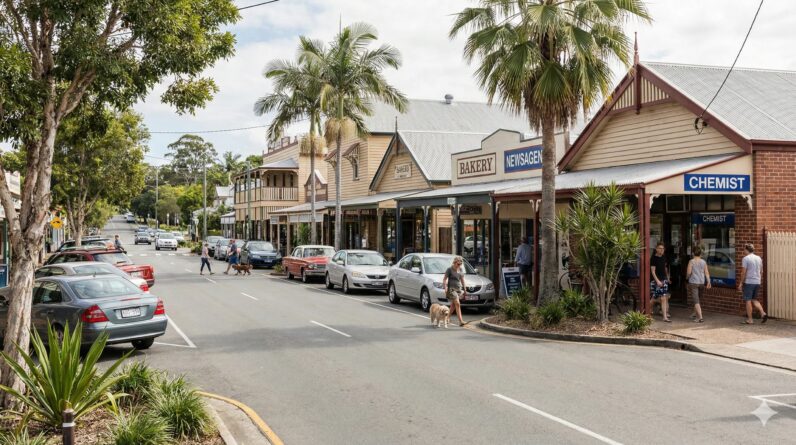
If you run a small business in South East Queensland, you have probably noticed a shift over the last decade. Fewer people flick through local papers. Phone books have quietly disappeared from kitchen drawers. Word of mouth still matters, but it usually starts online now.
Customers have not become more technical. They have simply become more impatient. They want answers quickly. They want reassurance that a business is nearby, trustworthy, and still operating. Most of the time, they are not researching deeply. They are checking, scanning, and deciding.
This article explains how customers across South East Queensland actually find local businesses online, based on real-world behaviour rather than marketing theory. It is written for business owners who want clarity, not technical jargon.
The Local Search Mindset
Before looking at platforms or tools, it helps to understand how people think when they search for a local business.
Most local searches are driven by a need right now. A plumber after a leak. A café nearby. A mechanic before school pickup. A hairdresser with availability this week.
In these moments, customers are not browsing for inspiration. They are problem-solving. That mindset shapes everything they do online.
They usually want three things:
- Confirmation the business is local
- Evidence the business is legitimate
- A fast way to make contact or visit
Anything that slows this down often leads them to move on.
Google Is the Front Door for Most Local Searches
For the majority of South East Queensland customers, Google is the starting point.
This does not always mean typing a full business name. More often it looks like this:
- electrician near me
- café open now
- physio in Toowoomba
- pool cleaner Gold Coast
Google then decides what to show first. That decision is heavily influenced by location, relevance, and trust signals.
The Map Results Matter More Than Many Realise
When someone searches for a local service, Google often shows a map with three highlighted businesses. This is where many decisions are made.
Customers tend to:
- Scan the business names
- Check star ratings and review counts
- Look at distance or suburb names
They may not even click through to a website at this stage. The map listing itself does most of the work.
If your business appears here with accurate details, you are in the running. If it does not, you may not be seen at all.
Business Names and Categories Shape Visibility
How a business is listed can quietly affect whether it appears.
For example, a listing categorised clearly as “Electrician” in Ipswich is more likely to show for electrical searches than one vaguely described as “Home Services”.
Customers never see this setup work, but they feel the results when businesses appear or disappear from view.
Reviews Are Read Quickly, Not Deeply
Reviews play a role, but not in the way many business owners assume.
Most customers do not read dozens of reviews. They skim.
They look for:
- Overall star rating
- Number of reviews
- Recent comments
A business with 4.6 stars and steady recent feedback usually feels safer than one with a perfect score from three years ago.
People are not expecting perfection. They are checking for warning signs. One or two negative reviews are rarely a deal-breaker if the overall picture looks normal.
Local Language Builds Familiarity
Reviews that mention local suburbs, schools, roads, or conditions tend to feel more real to South East Queensland readers.
A comment like “helped us out after the storm in Redcliffe” feels grounded. It signals local experience without needing explanation.
Business Websites Are Often a Confirmation Tool
Despite the focus on social media, websites still matter. Just not always in the way people expect.
For many customers, the website is used to confirm what they already believe. They want to check:
- Is this business legitimate?
- Are they still operating?
- Do their services match my need?
They are not reading long pages. They are scanning for reassurance.
What People Look for First
On a local business website, visitors usually check:
- Contact details that match Google
- Service areas listed clearly
- Photos that feel genuine
- Signs the business is local
A simple, clean site often performs better than a flashy one. Clarity builds confidence faster than design tricks.
Social Media Is Often Secondary, Not Primary
Many business owners assume customers discover them through social media. In reality, social platforms are more often used to double-check a business after it has already been found.
A customer might:
- Find a business on Google
- Click through to Facebook or Instagram
- Scroll briefly to see recent activity
They are not looking for clever posts. They are checking whether the business is active and real.
An inactive page with old posts can quietly create doubt. Regular updates, even simple ones, signal that the business is still operating.
Local Word of Mouth Has Moved Online
Word of mouth has not disappeared. It has shifted platforms.
Instead of asking neighbours over the fence, people now ask:
- Local Facebook groups
- Community pages
- Suburb-based forums
Questions like “Can anyone recommend a good plumber in the area?” appear daily.
The businesses that benefit most are those that already have a presence when someone tags them or shares their name. Even without a link, repeated mentions build familiarity.
Mobile Phones Shape Almost Every Decision
Most local searches happen on phones. This influences behaviour more than many business owners realise.
On a mobile screen:
- People scroll less
- Buttons matter more
- Clarity beats detail
If a phone number is easy to tap, people call. If it is hidden or missing, they move on.
Maps, directions, and opening hours are checked constantly. Incorrect information frustrates users quickly.
Location Signals Matter Across South East Queensland
South East Queensland covers a wide area. Customers care about proximity, even if they do not say it directly.
A business that clearly mentions serving Brisbane, the Gold Coast, or the Sunshine Coast feels more relevant than one with no location cues.
Suburb names, service areas, and local references help customers decide whether a business is truly nearby or just technically available.
This is especially true in regional centres like Ipswich and Toowoomba, where local familiarity still carries weight.
Paid Ads Play a Smaller Role Than Expected
Some customers click ads. Many skip them.
For local services, organic results often feel more trustworthy. People know ads exist. They do not always resent them, but they rarely prioritise them when urgency is involved.
A well-presented local listing with strong reviews can outperform a paid ad without needing explanation.
Consistency Builds Quiet Trust
One of the most overlooked factors in local discovery is consistency.
When a business shows the same name, phone number, address, and messaging across Google, its website, and social platforms, it feels stable.
When details conflict, even slightly, it creates hesitation.
Customers may not consciously notice why they feel unsure. They simply keep scrolling.
The Reality of How Decisions Are Made
Most local business decisions are made quickly. Often within minutes.
Customers rarely analyse deeply. They choose the option that feels easiest, closest, and safest at the time.
That choice is influenced by:
- Visibility in search results
- Clear local signals
- Social proof through reviews
- Ease of contact
Businesses that meet these needs quietly win attention without needing aggressive promotion.
A Grounded View of Local Discovery
For small business owners in South East Queensland, the online discovery process is less mysterious than it seems.
Customers are not looking for perfection. They are looking for reassurance.
They want to know you are nearby, real, and available. If your online presence answers those questions quickly, you are already ahead of many competitors.
Local discovery is not about chasing every platform. It is about understanding how people actually behave when they need a service and making sure the basics are clear, accurate, and easy to find.